How Screen Time Affects Your Sleep Quality
In the modern digital era, screens have become an integral part of daily life, from work to leisure. However, a growing body of research suggests that evening screen exposure can have a significant impact on sleep quality. This article explores the scientific mechanisms behind this phenomenon, including the role of blue light and cognitive stimulation, and offers practical guidance for those looking to mitigate these effects. By understanding the interplay between technology and sleep, individuals can make informed choices about their evening habits.
The relationship between screen time and sleep is complex and multifaceted, involving both physiological and psychological factors. While the primary culprit is often identified as blue light emitted by electronic devices, other aspects such as engaging content and interactive nature of screens also contribute to sleep disruption. This article aims to provide a comprehensive overview of the current research, followed by actionable strategies to help readers reduce the negative impact of screens on their rest.
The Science Behind Screen Time and Sleep
Research indicates that exposure to blue light in the evening can suppress the production of melatonin, a hormone that regulates sleep-wake cycles. Melatonin levels typically rise in the evening as darkness falls, signaling to the body that it is time to prepare for sleep. However, blue light, which has a short wavelength, is particularly effective at inhibiting melatonin secretion, thereby delaying the onset of sleepiness. Studies have shown that using a tablet or smartphone for just a couple of hours before bed can shift the circadian rhythm, making it harder to fall asleep and reducing the amount of REM sleep obtained.
Moreover, the cognitive engagement involved in screen use can keep the brain alert, counteracting the natural winding-down process. Activities such as reading news, engaging in social media, or streaming exciting content can increase alertness and emotional arousal, which are incompatible with the state of relaxation needed for a smooth transition to sleep. This dual effect—physiological via blue light and psychological via cognitive stimulation—explains why screen time is consistently linked to poorer sleep outcomes in observational studies.
Research suggests that even small reductions in evening screen time can result in measurable improvements in sleep quality and duration.
Blue Light and Its Effects on Circadian Rhythms
The human circadian rhythm, often referred to as the internal body clock, is finely tuned to environmental cues, with light being the most potent signal. Exposure to bright light, particularly in the blue spectrum, in the evening can trick the brain into thinking it is still daytime, disrupting the natural progression toward sleep. This disruption can manifest not only in difficulty falling asleep but also in reduced sleep quality, as the architecture of sleep is altered. For example, the proportion of REM sleep may decrease, leaving individuals feeling less rested upon waking.
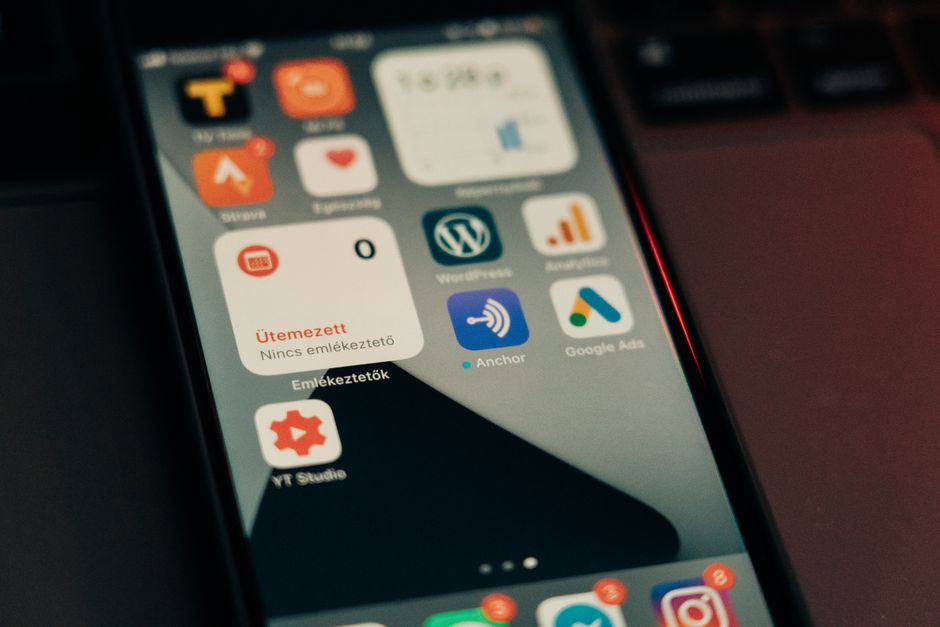
Devices such as smartphones, tablets, and computer monitors emit significant amounts of blue light, especially when set to high brightness. The intensity of this exposure is often underestimated, as many people view their devices in low-light conditions, which can amplify the contrast and the impact. Furthermore, the widespread use of devices in the bedroom—for reading, messaging, or watching videos—means that blue light exposure frequently occurs in the hours immediately preceding sleep, exactly when melatonin production should be ramping up.
To mitigate this, several technological solutions exist, including blue light filters and screen dimming features. Many devices now offer a “night mode” that adjusts the color temperature to a warmer, less blue spectrum. While these features can reduce blue light emission, their effectiveness in preserving melatonin levels is still an area of research, and they may not fully counteract the stimulating effects of screen content. Therefore, a combination of technological adjustments and behavioral changes is often recommended.
Research Insights on Screen Use and Sleep Patterns
Numerous studies have examined the link between screen time and sleep, consistently finding a negative association. For instance, a meta-analysis of 29 studies involving over 125,000 children and adolescents found that bedtime use of screen-based devices was associated with inadequate sleep quantity, poor sleep quality, and excessive daytime sleepiness. Adult populations show similar trends, with evening screen time linked to lower sleep efficiency and longer sleep onset latency.
Longitudinal studies have also indicated that increased screen time at one point in time predicts poorer sleep patterns at later time points, suggesting a causal relationship. However, it is important to note that the research is largely correlational, and individual factors such as existing sleep disorders, stress, or anxiety can confound results. The field acknowledges that the relationship is bidirectional: poor sleep may lead to more screen use as individuals struggle to fall asleep, and more screen use exacerbates sleep difficulties. Nonetheless, the evidence supports the idea that reducing evening screen exposure can be a beneficial component of sleep hygiene interventions.
Practical Strategies for Reducing Screen Impact
Implementing a digital curfew is one of the most effective strategies to reduce the impact of screens on sleep. This involves setting a specific time—typically an hour or more before bed—when all electronic devices are put away. This not only limits blue light exposure but also provides mental space to transition into a relaxed state. During this time, engaging in calming activities such as reading a physical book, taking a warm bath, or practicing mindfulness can facilitate sleep onset.
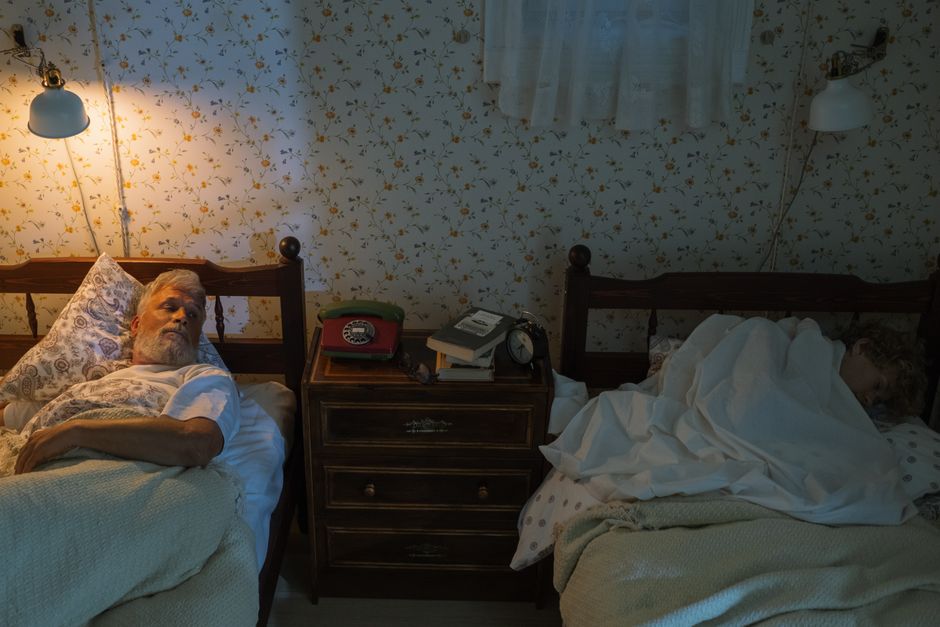
In addition to a curfew, creating a bedroom environment that minimizes technological intrusions is beneficial. Keeping devices out of the bedroom or charging them in another area can reduce the temptation to check them during the night. If using an alarm clock is necessary, consider a traditional alarm rather than a smartphone, which may invite late-night browsing. For those who rely on device features for relaxation, such as listening to white noise or sleep meditations, it is advisable to set the device to airplane mode or use a dedicated sleep aid that does not emit blue light.
Adjusting device settings can also help. Activate built-in blue light filters in the evening, and reduce screen brightness to the lowest comfortable level. Some devices allow scheduling these settings to align with sunset times. Additionally, consider the content being consumed; passive activities like watching a documentary may be less stimulating than scrolling through social media or playing video games. Choosing content with lower emotional valence can make a significant difference in how alert the mind remains before bed.
Building a Consistent Bedtime Routine
Beyond reducing screen time, establishing a consistent bedtime routine is a cornerstone of good sleep hygiene. Routines signal to the body that it is time to wind down, reinforcing natural sleep-wake cycles. A routine might include light stretching, journaling, or gentle breathing exercises. The key is regularity—performing the same steps in the same order each night helps condition the mind and body for sleep.
Integrating screen-free time into this routine is essential. This might mean designating the last hour of the day as “no-screen time.” During this period, engaging in activities that promote relaxation can lower heart rate and reduce cortisol levels, further easing the transition to sleep. The environment also plays a role: ensuring the bedroom is dark, cool, and quiet can enhance sleep quality. Consider blackout curtains or an eye mask to block out light, which can interfere with melatonin production.
It is also worth noting that individual sleep needs vary, and what works for one person may not work for another. Those who experience persistent sleep problems should consider consulting a healthcare professional, as sleep disorders may require specialized intervention. Nonetheless, for most people, consciously managing screen time is a proactive step toward better sleep.
Conclusion
In summary, the evidence linking evening screen exposure to poor sleep is robust, with blue light and cognitive stimulation playing key roles. While completely eliminating screens from evening hours may be unrealistic for many, implementing small changes can yield meaningful benefits. Reducing blue light, setting a digital curfew, and building a consistent bedtime routine are all practical measures that can contribute to improved sleep quality. Ultimately, a mindful approach to technology use—being aware of its potential effects and making deliberate choices—empowers individuals to take control of their sleep and overall well-being.
As digital devices remain ubiquitous, it is essential to develop habits that allow for the restorative rest that is fundamental to health. By understanding the science behind screen time and sleep, and by adopting strategies that align with personal needs, one can navigate the digital landscape without sacrificing sleep quality.