How to Tame Notification Overload on Your Phone
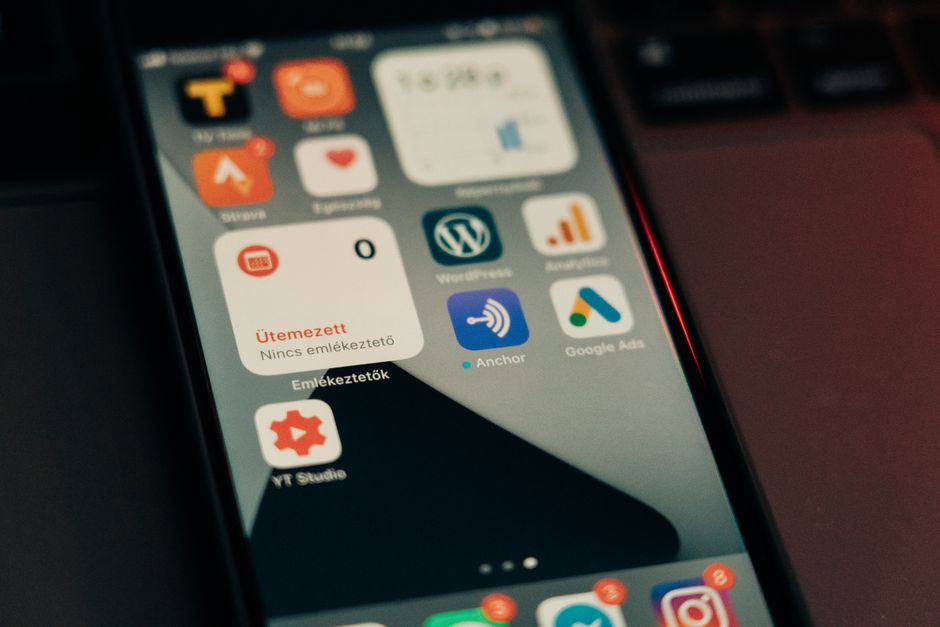
In an era where digital connectivity is constant, the relentless stream of notifications from smartphones can lead to a sense of overwhelm. Each buzz, ping, or badge demands attention, fragmenting focus and contributing to stress. Many individuals find themselves at the mercy of their devices, struggling to maintain productivity and peace of mind. Understanding how to manage this influx effectively is a valuable skill in the modern world. This article explores systematic approaches to reduce notification overload, allowing users to reclaim control over their digital environment and direct their attention where it truly matters.
The challenge with notifications is not merely their frequency but their lack of prioritization. By default, many apps are configured to send alerts for every conceivable event, from social media likes to promotional emails. This indiscriminate approach fails to distinguish between urgent matters and trivial updates. Consequently, the lock screen becomes a chaotic collage of information, each element vying for immediate attention. The resulting cognitive load can impair decision-making and increase anxiety. Fortunately, most operating systems offer granular controls that enable users to curate their notification experience deliberately.
Auditing Your Notification Landscape
The first step in taming notification overload is to conduct a thorough audit of existing notification permissions. This involves systematically reviewing each application installed on your device and assessing its notification behavior. Both iOS and Android provide detailed settings menus where users can view and modify notification preferences per app. Begin by opening the settings app and navigating to the notifications section. Here, you will encounter a list of all apps that have requested permission to send alerts. Take the time to scroll through this list entirely, noting which apps generate frequent interruptions.
During the audit, categorize apps based on their relevance to your daily life. For instance, communication apps like messaging or email clients may warrant immediate alerts, as they often involve time-sensitive interactions. Conversely, social media platforms, games, and shopping apps typically produce non-essential notifications that can be delayed or silenced altogether. It is helpful to consider which apps genuinely require your real-time attention and which are merely distractions. Remember that you can always revisit these settings; the goal is to establish a baseline that aligns with your personal priorities.
When evaluating an app’s notification settings, look for options to disable badges, sounds, and banners individually. Many apps also offer additional granularity, such as allowing alerts only for mentions or direct messages rather than all activity. By tailoring these settings, you reduce the noise without losing access to critical information. This proactive approach transforms the lock screen from a source of constant distraction into a curated feed of meaningful updates.
Leveraging Notification Channels and Modes
Modern mobile operating systems provide powerful features to manage notification flows systematically. A key concept is the notification channel, which groups notifications within a single app into distinct categories. For example, a news app might have separate channels for breaking news, sports, and entertainment. Android, in particular, allows users to adjust each channel’s importance or even block entire channels. iOS has similar functionality through the use of notification grouping and critical alerts. Understanding these structures enables you to fine-tune what gets through and what remains silent.
In addition to per-app settings, both iOS and Android offer system-wide modes that can be scheduled or activated manually. Focus modes on iPhone and Digital Wellbeing modes on Android let users define allowed apps and contacts during specific periods, such as work hours or sleep. Enabling these modes automatically suppresses non-essential notifications while still permitting urgent communications from designated sources. For instance, one might allow calls from favourites but block social media alerts entirely. This approach ensures that notifications align with your current context, reducing unnecessary interruptions.
Another strategy involves the use of batch notifications, where alerts are delivered at set intervals rather than in real time. Some apps provide a summary notification that aggregates multiple updates into one digest. For apps that lack this feature, you can often mimic the effect by scheduling a daily reminder to check them manually. This not only reduces distractions but also encourages intentional engagement with digital content, fostering a more mindful relationship with technology.
Establishing Intentional Notification Habits
While technical settings are crucial, sustainable change requires the cultivation of habits that support focused attention. One effective practice is to designate specific times for checking messages and social media, rather than reacting instantaneously to each buzz. By conditioning yourself to postpone non-essential interactions, you regain agency over your time and reduce the urge to grab the phone at every opportunity. This habit aligns with the principle of proactive communication, where you decide when to engage rather than being at the mercy of alerts.
Another habit worth adopting is the periodic review of notification settings. As app usage patterns evolve, so do the types of alerts you receive. A monthly check ensures that new apps are correctly configured and that existing permissions still serve your needs. Additionally, consider utilising the built-in features that track screen time and notification counts. Many devices offer weekly summaries that reveal how often you pick up your phone and which apps contribute to interruptions. Analysing this data can highlight areas where further adjustments may be beneficial.
It is also valuable to recognise that not every notification requires a response. Silence is a legitimate action. By deliberately ignoring low-priority alerts, you reduce the mental effort associated with decision-making. Over time, this reduces the overall cognitive burden, allowing you to focus on tasks that demand deeper concentration. The goal is not to eliminate all notifications, but to ensure that those you receive are worthy of your time.
Customising Notifications for Professional Contexts
For individuals in professional environments, notification management becomes even more critical. A constant stream of emails, calendar invites, and project updates can undermine productivity and lead to burnout. Implementing a tiered notification system can help. For example, set email notifications to only arrive for messages from clients or senior colleagues, while filtering out newsletters and marketing emails to a daily digest. Similarly, calendar alerts for scheduled meetings can be configured to remind you fifteen minutes prior, rather than every hour.
Professional messaging apps, such as Slack or Teams, often have sophisticated notification controls. Utilise keywords to receive alerts only when specific terms are mentioned, and mute channels that are not immediately relevant. This level of customisation ensures you remain informed without being overwhelmed. Additionally, consider using the “do not disturb” feature during deep work sessions, but allow exceptions for urgent calls from key personnel. Many platforms allow you to set quiet hours, which are particularly useful for maintaining work-life boundaries.
It is important to remember that technology is a tool, not a master. By consciously configuring notifications, you assert control over your digital environment, enabling a more balanced and focused lifestyle.
Mindful Technology Use in the UK Context
In the United Kingdom, where smartphone usage is among the highest in Europe, managing notification overload is particularly relevant. With the rise of remote work and digital-first communication, boundaries between professional and personal life have blurred. A deliberate approach to notifications can help restore some equilibrium. For many Britons, the morning commute once provided a transition between home and work; now that time is often spent checking emails and news alerts. By limiting notifications during these periods, you can reclaim that time for reflection or planning.
The concept of digital wellbeing has gained traction in the UK as organisations and individuals seek to mitigate the negative effects of excessive screen time. Mindful Digital, a company dedicated to promoting healthy technology habits, emphasises the importance of intentionality in device usage. Its mission aligns with the strategies outlined in this guide, encouraging users to make conscious choices about when and how they engage with notifications. While no single approach fits everyone, the principles of auditing, customisation, and habit formation provide a solid foundation for achieving a more balanced digital life.
Ultimately, taming notification overload is not about completely severing ties with your phone. Instead, it involves designing an environment that serves your needs and respects your attention. The process may require experimentation with different settings and routines to discover what works best for you. By adopting a methodical approach, you can reduce distractions, lower stress, and enhance your capacity to focus. In an age where information is abundant, the ability to filter and prioritise is an invaluable skill.