Why You Should Schedule Screen-Free Time Every Day

Many people in the United Kingdom and beyond are becoming more aware of how much time they spend looking at screens. From checking emails to scrolling social media, digital devices are woven into most aspects of modern life. While these tools bring clear benefits, they also raise questions about balance and long-term well-being. One approach that has gained attention is the practice of scheduling regular screen-free periods. This article looks at what that involves, why it might be useful, and how it can be integrated into an everyday routine without dramatic changes.
The idea of stepping away from screens is not about rejecting technology. Instead, it is about creating intentional boundaries that allow for different kinds of experiences. A screen-free period might mean putting your phone in another room during a meal, leaving the laptop closed for an hour each evening, or designating one weekend morning for activities that do not involve digital devices. The concept is straightforward, but putting it into practice takes some thought. It is important to consider individual circumstances, work demands, and social obligations. What works for one person may not work for another. With that in mind, this article provides a structured way to think about incorporating screen-free time and what to expect from the process.
Understanding the Purpose of Screen-Free Time
Before deciding to add screen-free periods to your day, it is helpful to consider why you might want to do so. There are several potential benefits, but they are not guaranteed. The idea is to create opportunities for different types of attention and engagement. For example, when you are not checking notifications, you may find it easier to focus on a single task, be more present in a conversation, or simply notice details in your environment that you usually miss. These possibilities are not automatic; they depend on how you choose to spend the screen-free time.
Another common motivation is to reduce mental fatigue. Constant exposure to streams of information, decisions, and comparisons may contribute to a sense of overwhelm. By setting aside digital devices, you are giving your mind a chance to rest from these inputs. This is not to say that screen time always leads to stress, but rather that having a break can be a way to recharge. Similarly, some people find that their creativity improves when they are not constantly seeking external inspiration. The mind often makes connections when it has space to wander. Again, this is not a hard rule, but something that some individuals experience when they give themselves time away from screens.
Practical Ways to Schedule Screen-Free Time
Implementing screen-free time requires some planning. It can be as simple as choosing a specific time each day and making it a habit. Here are some steps that might help:
- Start with a small block, such as 30 minutes after work or during a lunch break. The key is to be consistent rather than trying a long period immediately.
- Choose activities that you enjoy and that do not involve screens. This could include taking a walk, reading a physical book, cooking a meal, doing a puzzle, or talking with family or friends.
- Let others know about your intention so that they can respect your boundaries. For instance, you might ask people not to call or text during that window unless it is an emergency.
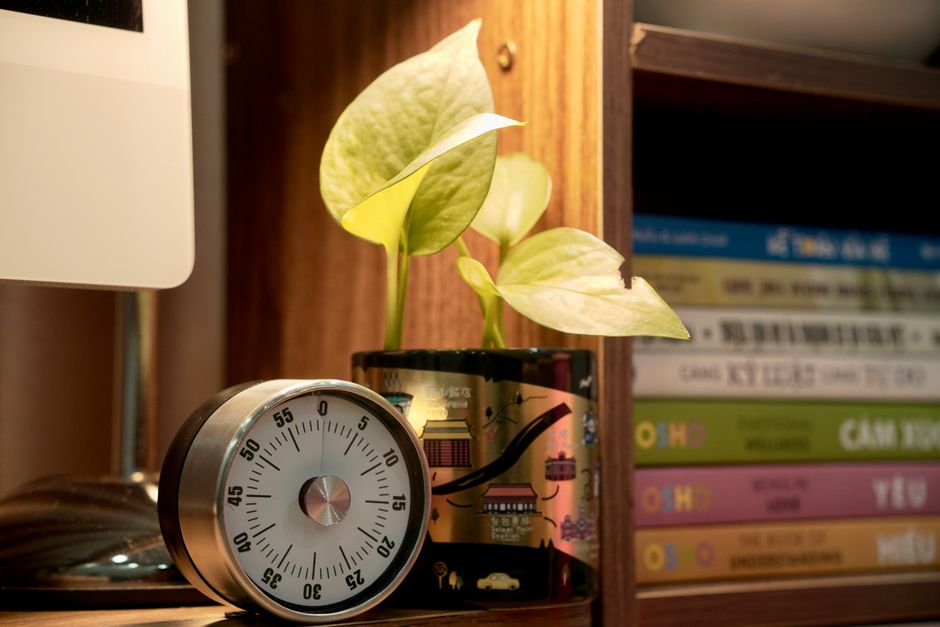
- Consider using a simple alert or reminder on your device to signal the start and end of the screen-free period. Alternatively, place your phone in a designated drawer or use a dedicated timer.
These steps are not meant to be a one-size-fits-all solution. The value comes from finding an approach that suits your lifestyle. For example, a student might use screen-free time to revise without digital distractions, while a remote worker might use it to separate work from personal time. It can be helpful to keep a small journal for a week or two to see how you feel before and after these periods. This can provide information about what is working and what might need adjustment. It is also important to be flexible. Some days may be busier than others, and it is reasonable to adapt your plan accordingly. The goal is not to be perfect but to create a sustainable practice that improves your overall sense of balance.
For those who are unsure where to start, a simple approach is to pick one meal each day and make it screen-free. This is a natural time to connect with others or to simply enjoy your food without external inputs. Another common method is to set aside the first 20 minutes of the morning to stretch or plan your day without checking your phone. The evening can also be a good time to wind down with a book or a quiet hobby. The key is to think about what times are most feasible and where a digital break would be most beneficial.
The Potential Impact on Mood and Creativity
When people first start scheduling screen-free time, they sometimes wonder if it will make a noticeable difference. The experience varies from person to person, but there are some patterns that researchers and mental health professionals have observed. For instance, a break from social media may reduce the urge to compare oneself with others, which some people find taxing. Similarly, not constantly being available for work or family communications can reduce feelings of pressure. These effects are not universal, and they depend on the context of an individual’s life and the reasons behind their screen use.
Regarding creativity, having unstructured time is known to be important for the incubation of new ideas. When you are not actively looking for information, your brain may process what it has already absorbed. This can happen during a walk or while doing a repetitive task. By including screen-free periods in your daily routine, you are providing space for this kind of mental activity. It is not that screen time blocks creativity, but rather that a balance of focused and unfocused time is often helpful. In this way, scheduling screen-free time can be seen as a way to support your natural creative processes.
Improving Relationships Through Unplugged Moments
Another area that can be affected by screen-free time is relationships. When you are physically present but mentally engaged with a device, it can create a sense of distance. Designating a tech-free window can encourage more direct interaction. For example, families in the United Kingdom often have a rule about no phones at the dinner table. This simple practice allows for conversations to flow more naturally and can help family members feel heard. There is also the concept of “being alone together,” where people are in the same space but absorbed in their own screens. Scheduling screen-free time is one way to counter that pattern.
In a romantic relationship or a friendship, spending time without screens can strengthen the connection. It sends a signal that the person you are with is a priority. It is not about dramatic gestures but about consistent, small moments of attention. Some people use screen-free time for outdoor activities like going for a bike ride or walking the dog. These activities offer opportunities to talk and share experiences without the constant interruption of notifications. However, it would be misleading to say that screen-free time will automatically improve relationships. The outcome depends on how the time is used and the quality of communication that occurs.
It is also worth noting that being screen-free does not mean being unreachable. You can still check messages and respond after the period ends. The goal is to create a dedicated time for presence, not to isolate yourself. For many, the benefit lies in the contrast between the digital world and the physical world. That contrast allows people to appreciate both more fully.
Building a Balanced Routine for the Long Term
Introducing screen-free time into your daily life is not about a temporary challenge but about establishing a sustainable pattern. Over time, you may find that you naturally start to look forward to these periods. To make it stick, it can be helpful to tie the screen-free time to an existing habit, such as after brushing your teeth in the evening or right after work. This creates a trigger that makes it easier to remember. You might also experiment with different times of the day to see what works best for you. Some people prefer a longer block on weekends, while others find several short blocks during the week more manageable.
One challenge that people often face is the initial discomfort of being away from their devices. The urge to check a phone can be strong, especially if you are used to using it frequently. This is a common experience, and it tends to decrease with time. Having a plan for what to do instead can be helpful. For example, if you find yourself reaching for your phone, you can have a list of screen-free activities ready. These might include stretching, journaling, or organizing a shelf. It is not about resisting the urge but about gently redirecting your attention.
It is also important to recognise that screen-free time is just one component of a healthy relationship with technology. The overall goal is to be mindful of how you use digital devices, and scheduling regular breaks is a practical way to support that mindfulness. There is no single right way to do it. What matters is that you find a rhythm that feels right for you and that you remain open to adapting as your circumstances change.
As with any change to daily habits, it is advisable to consider your individual needs and consult professionals if you have specific concerns about your well-being.
In summary, scheduling screen-free time every day is a simple yet purposeful practice that many people in the UK and elsewhere have found valuable. By understanding its purpose, implementing it in a flexible way, and being patient with the process, you can create space for different kinds of activities and interactions. Whether the outcome is a calmer mind, more creative moments, or deeper conversations, the benefits are often subtle and personal. Taking a step away from screens is not about missing out but about gaining a different perspective on your day.